


More than just an outdated technology, legacy applications are the real growth barriers that hold the business back. Nearly 70 to 80% of the IT budgets are still fed into maintaining the old systems, which leaves only a little space for innovation or AI adoption. In the meantime, companies that modernize at regular intervals see quick releases, lower costs, and way better user experiences. This makes application modernization less of an option and more of a survival move.
This is exactly why most of the enterprise and mid-range companies are modernizing legacy applications recently. Businesses are now actively partnering with expert companies to transform old systems into future-proof solutions.
This blog covers the top companies that provide legacy application modernization and the criteria to choose them wisely.
What Does Modernizing Legacy Applications Mean?
Modernizing legacy applications is nothing but upgrading or replacing the outdated software applications to align with the current technologies and business needs. Beyond just simple fixes and maintenance, it also focuses on transforming applications to be more scalable and compatible with cloud environments and modern architectures.
By modernizing their legacy applications, organizations can minimize operational inefficiencies, boost system reliability, and deliver a better user experience. This allows businesses to march forward, adapt to changes easily, and stay competitive in this increasingly digital landscape.
Why Businesses Need to Modernize Their Legacy Applications ASAP?
Legacy apps can quickly become a bottleneck when businesses try to scale or adapt to changing market trends. They need to implement this change ASAP to avoid performance issues, security vulnerabilities, and limited integration capabilities.
- Rising Maintenance Cost: Old applications require constant fixes and will consume a large portion of IT budgets.
- Limited Scalability: Legacy apps will struggle to handle increasing workloads, making it difficult for businesses to scale efficiently.
- Security Risks: Older systems are more vulnerable to cyber threats due to a lack of regular security updates.
- Poor Integration Capabilities: Older systems cannot integrate smoothly with the latest tools, which will possibly slow down innovation.
- Reduced User Experience: Outdated interfaces, frequent downtime, and slow performance can impact customer satisfaction and employee productivity.
The 5 R’s in Modernizing Legacy Applications
As businesses choose different approaches in modernizing their old systems, there’s no solution that fits all needs. Analyse the different approaches for modernizing legacy applications and choose the one based on your budget, goal, and needs.
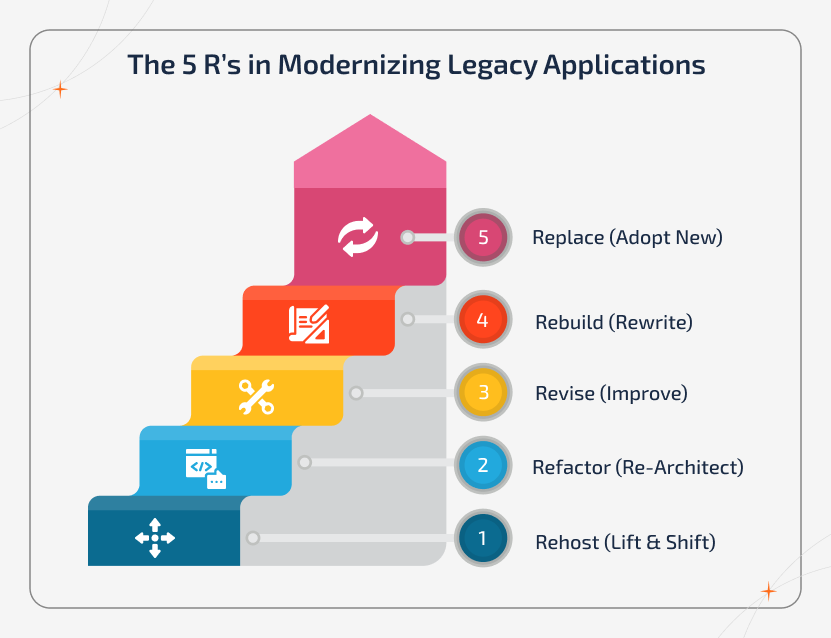
Rehost (Lift & Shift)
This process involves moving the applications to the cloud environment without making any major changes. This is actually the quick and cost-efficient way to improve the infrastructure without interfering with the main functionality.
Refactor (Re-Architect)
In application modernization, refactoring is nothing but modifying the parts of the applications to fit better with the modern environment, specifically cloud platforms.
Revise (Improve)
In this approach, the application modernization agencies make the targeted updates to improve performance, security, or other features without a complete system overhaul.
Rebuild (Rewrite)
This involves rewriting the entire application from scratch using modern technologies while keeping its core functionality the same.
Replace (Adopt New)
Here, the legacy system has been completely replaced with the latest and most modern solution. Ready-made software or SaaS platforms are mostly used in this approach.
How to Choose the Best Company for Legacy Application Modernization
Picking up the right modernization partner isn’t just about choosing the well-known name. It’s more like finding a team that understands your business needs and what the change impacts on the regular flow. Here are some of the factors you need to consider before choosing one.
Evaluate Their Approach
As said previously, not every companies modernize application in the way you expect. This is where most of the businesses go wrong. A good partner won’t jump straight into conclusion, but will analyze the current system and find what approach suits them best from the 5 R’s.
Check Proven Expertise
Modernization is not something that you build from scratch. It requires experience in handling outdated architectures, dependencies, and risks. Pick up companies that have worked with complex legacy systems and show real case studies, and not just some polished marketing claims.
Assess Tech Capabilities
The company that you’re about to choose should be comfortable working with modern technologies, while also understanding the older ecosystems. Keeping this balance is important because modernization is not only about replacing everything blindly.
Ensure Clear Communication
The modernization process won’t go smoothly all the time. A reliable partner will keep you informed about the status at every stage and explain the technical decisions in a way you understand the most.
Prioritize Long-Term Value
The best companies will design solutions that are scalable, secure, and much easier to maintain. As a result, you don’t end up dealing with the same issue again and again even after a few years.
Top Companies for Modernizing Legacy Applications in 2026
After a detailed analysis, here's the list of top agencies for modernizing legacy applications that help businesses transform outdated systems into scalable and future-ready ones. These experts combine modern technologies with proven strategies to drive efficiency and provide long-term growth.
1. Sparkout Tech Solutions
Sparkout Tech Solutions is one of the leading software development companies that offers enterprise modernization along with its services. Instead of wrapping up the older systems with temporary fixes, they break down monolithic architectures and rebuild everything that supports scalability.
What makes them stand out among other leading companies is their dedication to modernizing legacy applications. Aside from this, they also excel in AI-driven automation, blockchain-based security, and microservices, which makes the system much easier to scale and maintain. Modernizing with such technologies goes beyond the sake of trends and shows the real business metrics.
They've worked with more than 150 global clients across various industries, and the outcomes are all positive.
Core Modernization Service Offered:
⮚ Legacy system re-engineering & decoupling
⮚ Legacy application modernization services
⮚ Data modernization and migration
⮚ Cloud migration and containerization
⮚ AI, ML, and intelligent automation integration
⮚ DevSecOps implementation
⮚ Mainframe modernization
Strengths:
- From initial assessment to post-launch optimization, they can handle everything in the modernization process.
- A strong mix of AI and blockchain capabilities, which is really rare to see under a single unit.
- Flexible engagement models that fit according to the business requirements.
- Cost advantage of offshore delivery with the reliability of a US-registered company.
Limitations:
- Still expanding its footprint in the US enterprise markets.
Best For: Enterprises that are done with half-measures and actually need a partner that can completely transform their older systems.
2. Taazaa, Inc.
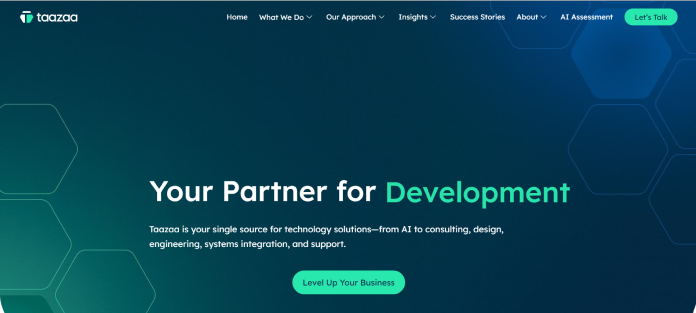
Taazaa is a leading custom software development company that is well known for helping businesses modernize their legacy systems with a strong focus on usability and long-term scalability. Instead of rushing into modernization, they act by analyzing the existing systems and gradually transforming them into a modern solution.
What sets them apart is their emphasis on user-centric modernization. Instead of quick fixes, they prioritize clean architecture and intuitive design, ensuring modernization is done in the right way.
Core Modernization Services Offered:
⮚ Cloud migration
⮚ Application re-engineering
⮚ UI/UX redesign
⮚ Agile product development
⮚ API development & system integration
Strengths:
- Proven experience across industries like healthcare, finance, and SaaS.
- A balanced approach between cost and quality.
Limitations:
- Less emphasis on large-scale enterprise re-architecture.
- The modernization timeline may exceed the deadline.
Best For: Businesses who looks for a practical and user-focused modernization without overcomplicating the process.
3. Devcom
Devcom is an established software engineering and application modernization company with deep experience in maintaining and modernizing complex legacy systems. They have the potential to work with outdated technologies and transition them into a modern environment without disturbing the business operations.
Even though their approach is highly engineering-driven, choosing them is a reliable option for companies that cannot afford downtime during modernization.
Core Modernization Services Offered:
⮚ Cloud enablement
⮚ QA & system stabilization
⮚ API & integration services
⮚ Legacy system migration
⮚ Software re-engineering
Strengths:
- Strong expertise in handling complex legacy technology stacks.
- They provide deep engineering and QA capabilities.
Limitations:
- More traditional approach compared to the latest firms.
- Minimal focus on cutting-edge innovation, like AI-first systems.
Best For: Large companies that are looking for enterprise modernization firms with minimal risk factors.
4. Goodcore Software
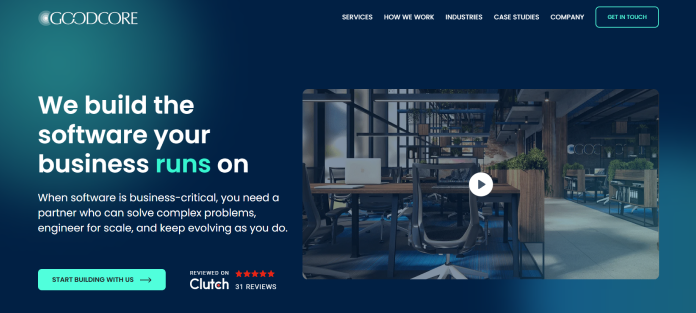
Talking about uniqueness, Goodcore Software specializes in bespoke software development, along with it, they also provide legacy system modernization services. They help businesses replace outdated systems with scalable and custom-built solutions.
Their core strength lies in simplifying complex systems and turning them into efficient and easy-to-manage applications
Core Modernization Services Offered:
⮚ Business process automation
⮚ Cloud-based application development
⮚ System integration
⮚ Custom enterprise solutions
⮚ Legacy system replacement
Strengths:
- Strong focus on clean and maintainable code.
- The team's development and modernization process is transparent and strong.
Limitations:
- The team size is smaller compared to large enterprise vendors
- Limited advanced AI (AI agent and agentic AI) specialization.
Best For: Companies that need clean and custom-built replacements for outdated systems.
5. Brainhub
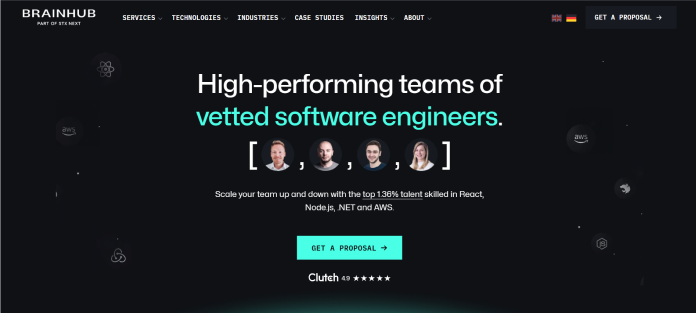
Established in 2015, Brainhub is a modern software engineering company, well-known for its expertise in JavaScript ecosystems and scalable application development. They help all kinds of companies that need to refactor and rebuild legacy systems using modern frameworks and cloud-native architectures.
Core Modernization Services Offered:
⮚ Cloud-native development
⮚ Legacy app refactoring (Node.js, React)
⮚ DevOps & CI/CD implementation
⮚ Performance optimization
⮚ Microservices architecture
Strengths:
- Strong frontend and backend expertise.
- High-quality engineering practices have been carried out for proper modernization.
Limitations:
- Smaller scale for larger enterprise modernization.
- The domain diversity is limited.
Best For: Mostly for tech-driven companies that need modern and high-performance app rebuilds.
6. Devteam.Space
DevTeam.Space is a platform-based development firm that links businesses with dedicated engineering teams for modernizing projects. Their structured agile process ensures transparency and consistent delivery.
Core Modernization Services Offered:
⮚ Cloud migration
⮚ Agile development and team scaling
⮚ API development
⮚ DevOps support
Strengths:
- By leveraging them, you can get access to diverse technical expertise.
- Robust project management framework.
Limitations:
- The quality can vary slightly across teams.
- It's not a traditional single in-hose team.
Best For: Businesses that need flexible teams for ongoing modernization efforts.
7. Zoolatech
Here comes Zoolatech, a digital product engineering company that works heavily with rapidly growing businesses to modernize and scale their platforms. This company is particularly strong in cloud-native development and data-driven systems.
Using their unique approach they lean toward building modern platforms rather than just upgrading the old systems.
Core Modernization Services Offered:
⮚ DevOps & automation
⮚ Microservices architecture
⮚ Data engineering and analytics
⮚ Cloud-native transformation
Strengths:
- A strong focus on scalability and performance.
- Experience with high-growth companies.
Limitations:
- More suited for digital-native businesses.
- They focus very little on modernizing mainframes systems.
Best For: Companies aiming for high-scale, cloud-first transformation.
8. Cleveroad
Cleverload is a dedicated full-cycle software development company that helps businesses modernize their outdated applications through cloud migration and custom development. Their focus is on delivering scalable solutions while keeping the costs manageable. They're popular because of their structured workflows and consistent delivery.
Core Modernization Services Offered:
⮚ Legacy app modernization
⮚ UI/UX redesign
⮚ Mobile & web redevelopment
⮚ Cloud migration
⮚ API integration
Strengths:
- The entire development and modernization process is cost-effective.
- Strong experience across multiple domains.
Limitations:
- Innovation-focused is moderate
- Only a few specializations in advanced AI or deep enterprise systems.
Best For: Businesses that are looking for a reliable and cost-efficient modernization.
9. Algoscale
Algoscale is well-known for combining legacy modernization with strong data engineering and analytics capabilities. With their technical expertise, they help businesses not only upgrade the system but also unlock the true value from the data.
Their unique approach is highly data-focused, which makes them unique among the modernization providers.
Core Modernization Services Offered:
⮚ Data engineering and analytics
⮚ Cloud migration
⮚ AI/ML integration
⮚ ETL pipeline development
⮚ Legacy system modernization
Strengths:
- By partnering with them, you can have a perfect balance of cost and capability.
- Strong data and analytics expertise.
Limitations:
- Less focus on frontend-heavy systems.
- Only a smaller scale for large enterprise transformation.
Best For: Businesses that need data-driven modernization strategies to upgrade their current application.
10. Hexaview Technologies
Hexaview Technologies specializes in legacy application modernization and digital transformation, specifically for finance services. They bring strong domain expertise along with technical capabilities in cloud and automation. This company is specifically effective in regulated industries where compliance and precision matter the most.
Core Modernization Services Offered:
⮚ Cloud transformation
⮚ Legacy system modernization
⮚ AI & automation
⮚ Enterprise application development
⮚ Data engineering
Strengths:
- Strong domain expertise in finance.
- They're flexible as their approach is both tech and business-based.
Limitations:
- The industry focus might limit the flexibility for other sectors than finance.
- Innovation is moderate when compared to niche AI firms.
Best For: Enterprises that need secure and compliant modernization in regulated industries.
Which Company Stands Out as the Best Choice
Having several top-performing players in the field, choosing a single one can be a bit overwhelming. However, if you’re looking for a company that goes beyond the surface-level upgrades and actually focuses on rebuilding systems for long-term support, then Sparkout Tech Solutions will be a viable option.
What makes them stand out is their approach. They don't just modernize for the sake of business, they rethink how the entire system works and how it needs to function in the modern environment. They specialize in handling advanced technologies that revolve around AI and Blockchain. Moreover, their focus is always on creating systems that are scalable and built for real business growth.
Legacy System Modernization Steps Carried Out by Sparkout
If Sparkout gets your attention, then see the overview of the steps they follow in modernizing legacy applications to meet the business goals.
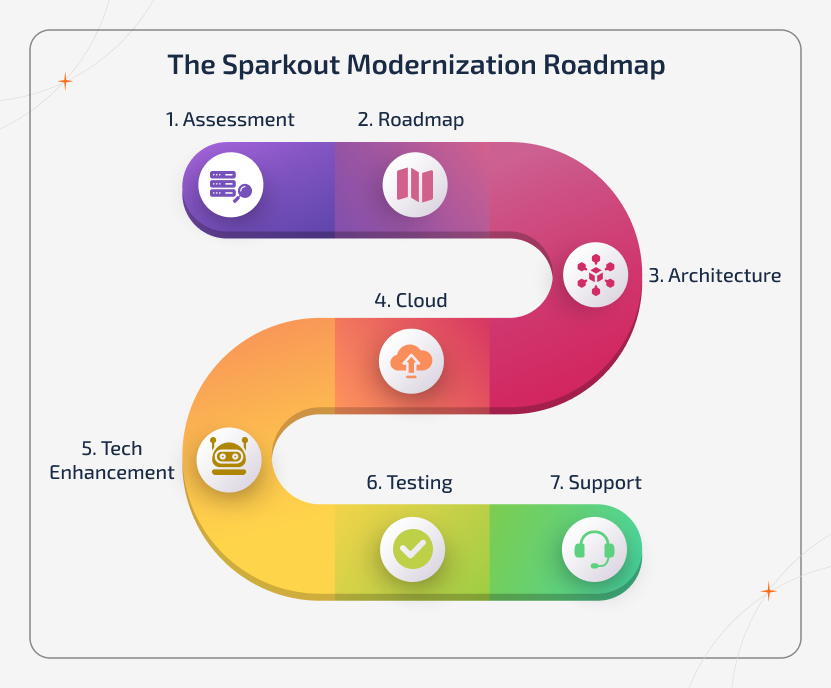
Step 1: Initial System Assessment
After a successful partnership, Sparkout starts the process by evaluating the existing system in detail. They gather the performance limitations and the specific area that actually requires transformation.
Step 2: Planning Roadmap
After this, they craft a clear roadmap to guide the modernization process. This ensures that the modernization practices align with your business needs.
Step 3: Architecture Redesign
In this phase, the outdated systems are restructured and converted into modern architectures. This conversion often uses microservices to enhance the application’s flexibility.
Step 4: Cloud Enablement
Further, the applications are migrated to a cloud environment, where the modernization actually fits in, enhancing the performance and integration capabilities.
Step 5: Tech Enhancement
Here, the latest tools that are embedded with AI, automation, and other advanced analytics are integrated to improve efficiency and functionality.
Step 6: Testing & Quality Assurance
Further, extensive testing will be carried out to ensure the system's reliability, security, and smooth performance before the deployment.
Step 7: Ongoing Support & Optimization
Even after the final launch, they stay alongside you and help in continuous monitoring, and certain improvements are carried out to keep the system aligned with the evolving needs.
Future Trends in Legacy Application Modernization
In 2026, the market for legacy application modernization solution is growing fast. At the end of 2029, it's expected to reach $27.3 billion to $39.62 billion. However, beyond the numbers, what is really shifting is how organizations modernize. Here are the top trends defining this shift.
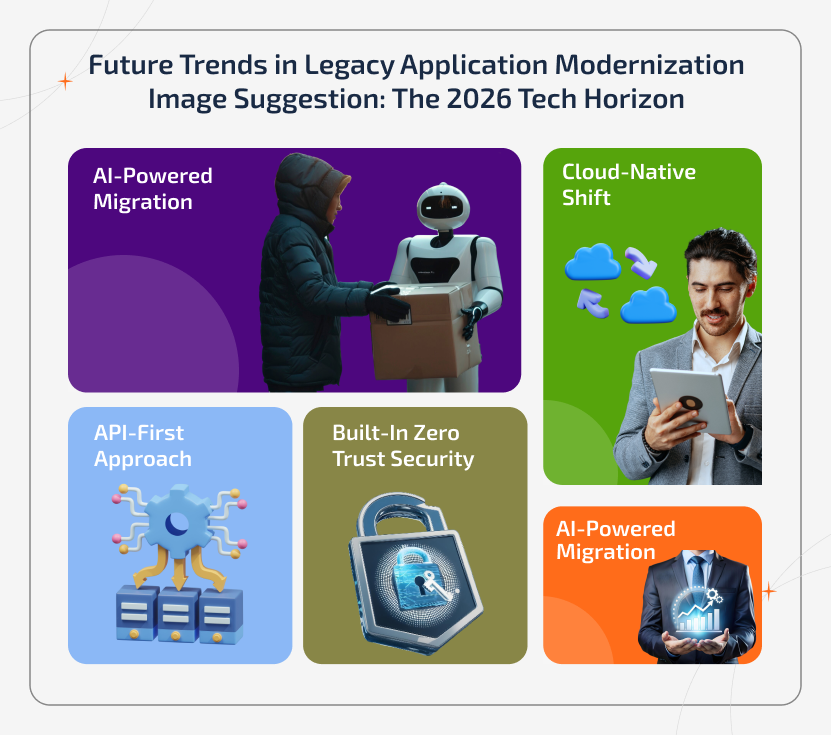
AI-Powered Migration
Modernization is now getting a serious upgrade after the introduction of AI. Instead of digging into the old code manually, AI tools can scan systems and suggest improvements in minutes. What took years to build can now be done in months, making the process even faster.
Cloud-Native Shift
Instead of moving to cloud environments, they’re about to build directly for it. The outdated systems simply cannot keep up with the need for real-time data. This is why cloud-native architecture is quickly becoming a necessary one to consider.
API-First Approach
Instead of replacing everything at once, companies in recent days are taking a smarter route by using APIs. This allows them to connect the old system with the latest technologies and upgrade its parts gradually.
Built-In Zero Trust Security
With the rising cybersecurity threats, modern systems are being built with Zero trust from the initial stage. This means every request is verified, and nothing is assumed safe. This is the more proactive and reliable way to protect the system.
Incremental Modernization
Big and risky transformations are fading out gradually. Companies now prefer breaking the modernization into smaller and manageable steps that deliver value continuously. This approach minimizes risk and keeps the business moving forward without major disruptions.
Bottom Line
At the end of the day, outdated systems aren’t the real problem, but sticking with them is. The actual shift happens when businesses decide to move forward with clarity and the right support behind them. By partnering with the right team, modernization becomes less risky and more like a turning point for your older systems.
Choose a reliable partner that gets your point of view. With that, you’re setting yourself up for smoother growth and stronger outcomes ahead.